Skip to content
CampeloLabs

Blog

Practical AI guides for founders

Short, useful reads on growing your startup with AI, safely. From the team behind AI Operating System for Startups. See also AI startups from Y Combinator.

A founder at a workbench holding a small glass model of a city block, watching tiny figures move inside it while the real street runs on beyond the window

August 21, 2026 · 17 min read

AI Simulation: What It Can Actually Answer

Three different businesses now share the name AI simulation, and they have different physics. One is a commodity you should buy, one only pays off if you own data nobody else has, and one is a research bet where the simulator turns out to be harder than the product it was meant to help you ship. Simile's Joon Sung Park and Waymo's Dmitri Dolgov have each spent years inside the expensive version of this problem, and between them they supply the three questions that decide whether a simulation is worth anything to you.

Read more →


A founder assembling a miniature simulated office inside a glass training box, placing app windows, documents, and a scoring rubric card while a small agent figure practices a task inside

August 20, 2026 · 17 min read

RL Environments Explained for Founders

Every explainer that ranks for this term teaches you the machine learning vocabulary and stops there. The founder question is different: your product calls a frontier model, the model is decent at your customer's job and not great, and prompting has stopped closing the gap. RL environments are the machinery for closing it by training instead. Mercor's Brendan Foody, whose company builds these for the frontier labs, broke the anatomy down at Sequoia: three parts, one of which is genuinely hard, and a price range from $50 to $10,000 per task that tells you most of what you need to know about whether this is your move.

Read more →
A founder at a workbench choosing between one large model and a rack of small interchangeable models, wiring the small ones underneath the large one

August 19, 2026 · 17 min read

Open Source LLM: Where It Actually Belongs

Almost every page that ranks for this term hands you the same thing: a ranked list of the ten best open source LLMs. The list is mostly accurate and it is not the decision. The decision is which specific tasks inside your product should stop calling a frontier model, because open weight models are not a cheaper substitute for the frontier, they are good at a different shape of work. OpenRouter's CEO has the cleanest rule for telling those shapes apart, Decagon runs 90 percent of its workflow on open weights once a use case stops changing, and Coinbase's much quoted 50 percent cost cut turns out to be one model decision and four operational ones.

Read more →
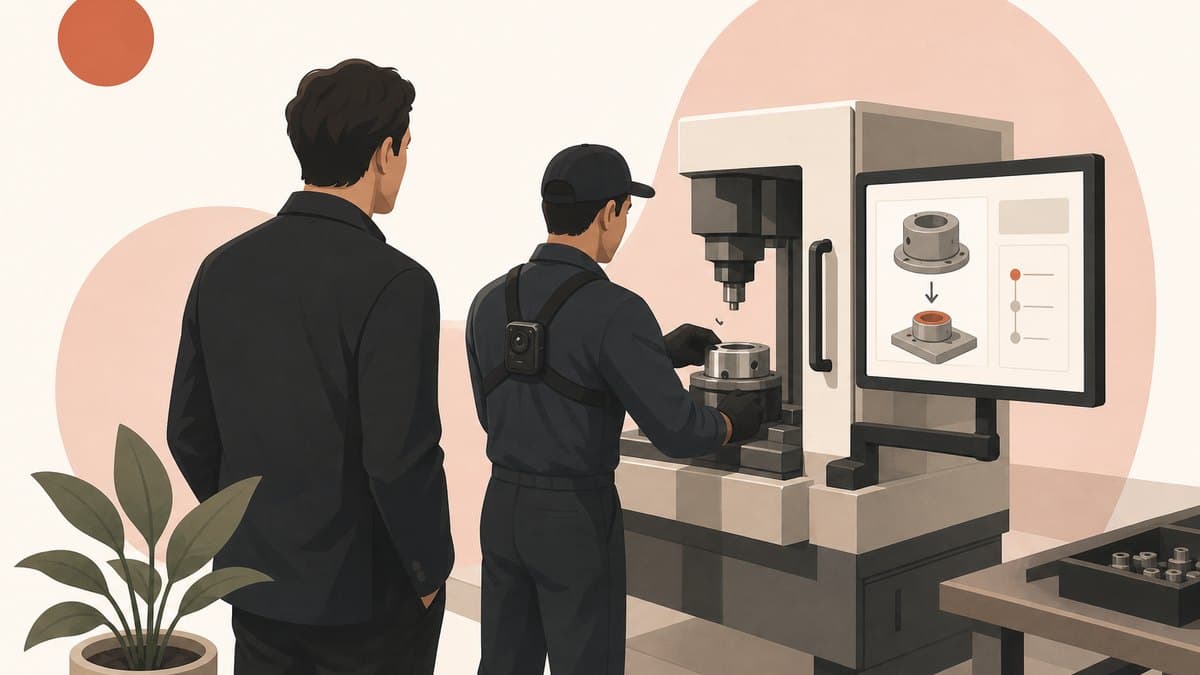
A founder on a factory floor beside a machine operator wearing a small chest camera, a screen showing the next step the AI is guiding them through

August 18, 2026 · 14 min read

AI for Manufacturing: What Actually Deploys

Every page that ranks for AI in manufacturing hands you the same list of use cases: predictive maintenance, visual inspection, demand forecasting. The list is accurate and it is not the decision. The decision is which layer you enter, because sensing, guiding and acting have completely different deployment costs, and only one of them clears a plant's procurement and safety review in a single budget cycle. Y Combinator's framing is the one that changes where you enter: AI cannot yet act in the physical world, but it can see, reason, and guide the human who does. Here is what that means for where you build.

Read more →
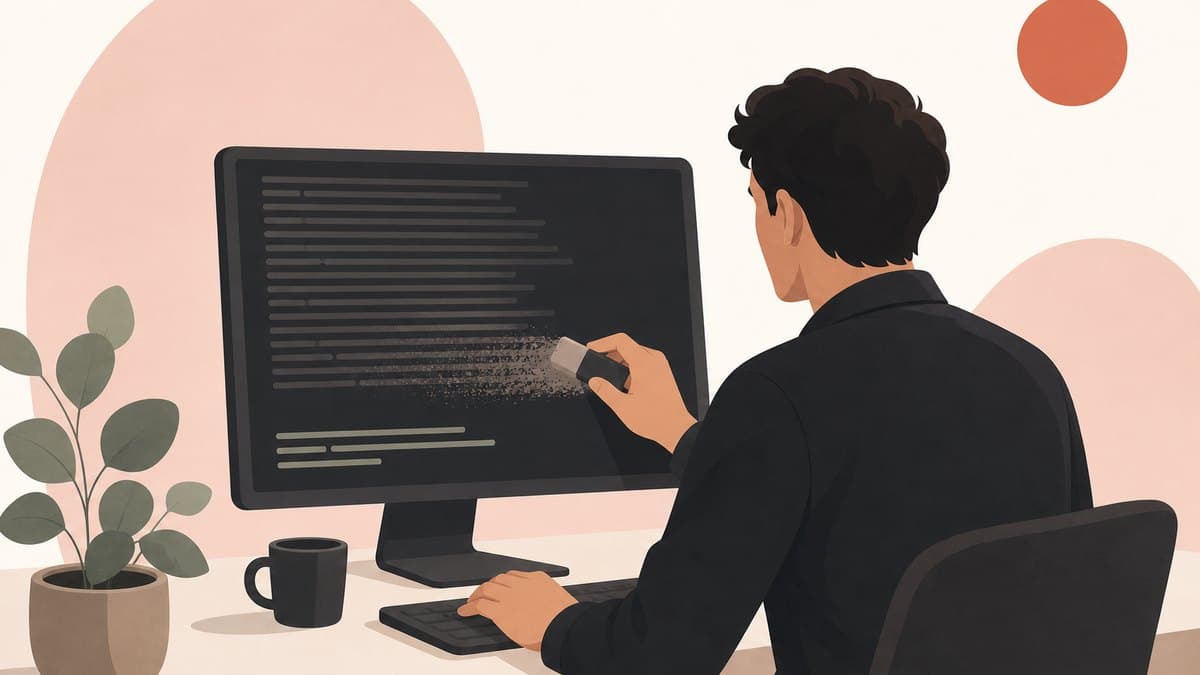
A founder at a terminal deleting most of a long system prompt and keeping only a few lines

August 17, 2026 · 16 min read

System Prompt: What It Is and When to Cut It

Almost everything written about system prompts is about what to put in one. Nobody tells you when to take things out, which is the decision that actually degrades quietly. Boris Cherny, who created Claude Code at Anthropic, says his team deleted 80 percent of that product's system prompt when a new model shipped, and rebuilds what remains line by line at every release to find out what each line is worth. The method is borrowed from research, it runs on a branch over ordinary use, and most founders have never run it once.

Read more →
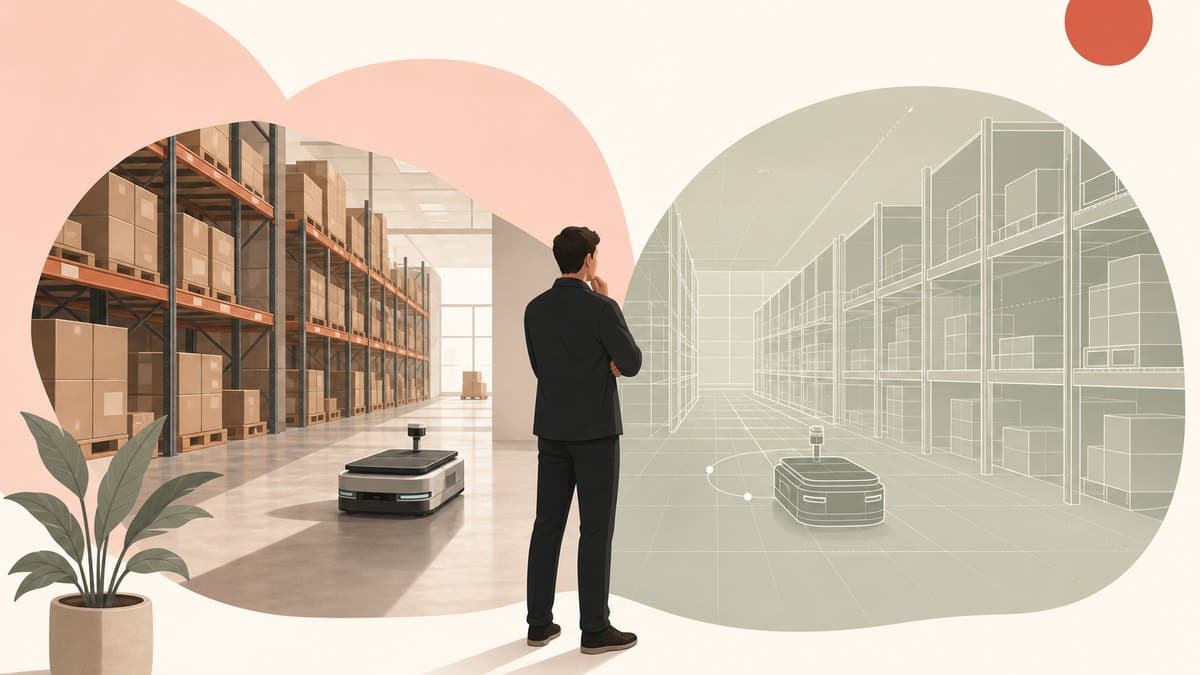
A founder standing between a real warehouse aisle and its digital twin, deciding which one to test the robot in

August 16, 2026 · 17 min read

World Models: A Founder's Guide

A world model predicts how an environment changes when something acts on it. That one sentence separates it from the video models it gets confused with, and it explains why the near-term business is not the robot at all. Fei-Fei Li and Yunzhu Li sat down with a16z to lay out what these models have to get right, and the most useful part for founders is the part that sounds least exciting: the first thing companies will pay for is not training, it is evaluation.

Read more →