Skip to content
CampeloLabs

Blog

Practical AI guides for founders

Short, useful reads on growing your startup with AI, safely. From the team behind AI Operating System for Startups. See also AI startups from Y Combinator.

A founder at a control desk turning a single dial while a machine behind them sorts and scores racks of instruction cards

September 23, 2026 · 10 min read

Automated Prompt Engineering: Run the Loop

A six-person company with no model of its own took the top spot on a reasoning benchmark by searching for the prompt and the scaffolding around it instead of writing them. The headline is the score. The useful part is the cost line underneath it, because the same technique that beat the expensive option costs about 38 times more per task than the cheap one. Here is how the loop works, what it needs before you can run it, and the one number that decides whether it is worth paying for.

Read more →


A founder at a drafting table drawing a circuit layout whose curved traces loop back to redraw the drafting tools themselves

September 22, 2026 · 14 min read

AI Chip Design: When the Loop Closes

Two of the people who built AlphaChip at Google left to start a company aimed at the full chip design workflow, and their talk is unusually concrete about where the bottleneck sits. The most transferable decision is not the model. It is that they set out to rebuild the tools to run orders of magnitude faster before pointing AI at them, because a closed loop is worth nothing if each turn takes a day. Here is the pattern, and the benchmark fight that shows where it breaks.

Read more →
A founder stepping off a narrow worn footpath onto a much wider open road running to the horizon

September 18, 2026 · 15 min read

Startup Pivot: How to Know When to Move

Most pivot advice tells you to follow your gut, which is exactly the instrument that fails you at the moment you need it. Pylon's founders pivoted twice, once out of a string of dead ideas and once away from a product that was already making money, and both moves came off external evidence rather than a feeling. Here is what they looked for, the validation rule they extracted from pivot hell, and the second pivot most founders never make.

Read more →
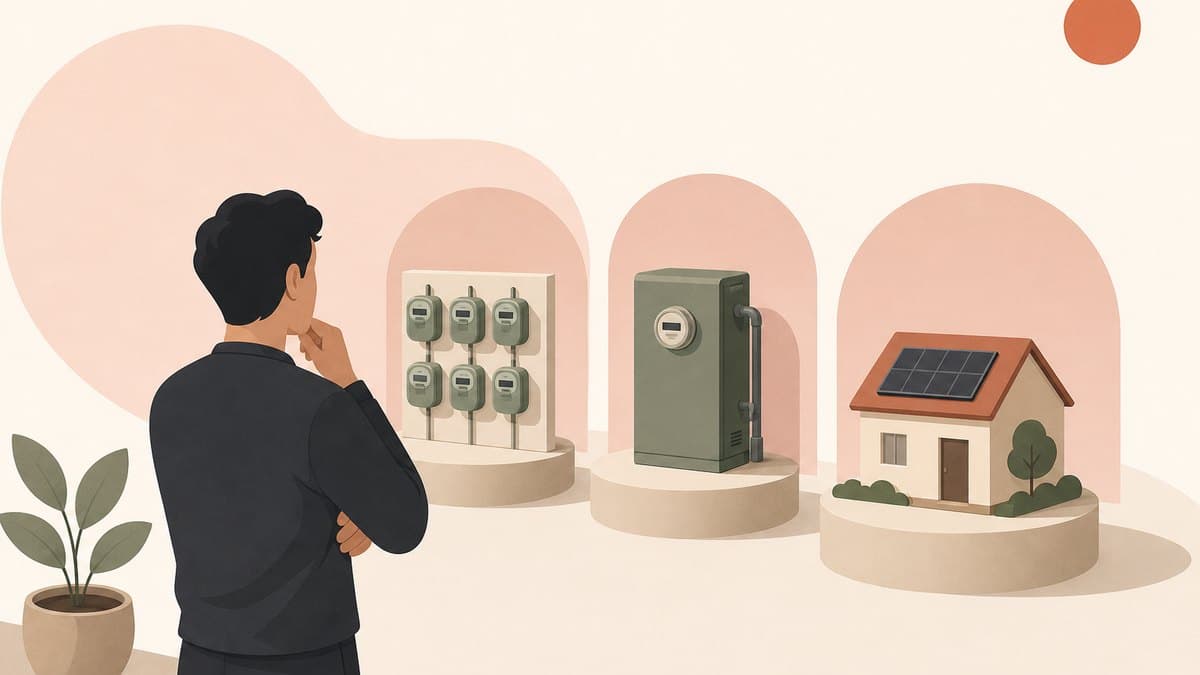
A founder choosing between a shared meter, a dedicated machine, and generating power at their own house

September 17, 2026 · 14 min read

AI Inference Cost: What Actually Moves It

Per-token prices keep falling and your bill keeps rising. That is not a billing error: the unit of work changed, and one user request now costs many model calls. Databricks found that a model roughly 1.7 times cheaper per token can still cost more per completed task. Here is how inference is sold, what changes when you move from a shared endpoint to a dedicated deployment to a model you own, and which levers move the number.

Read more →
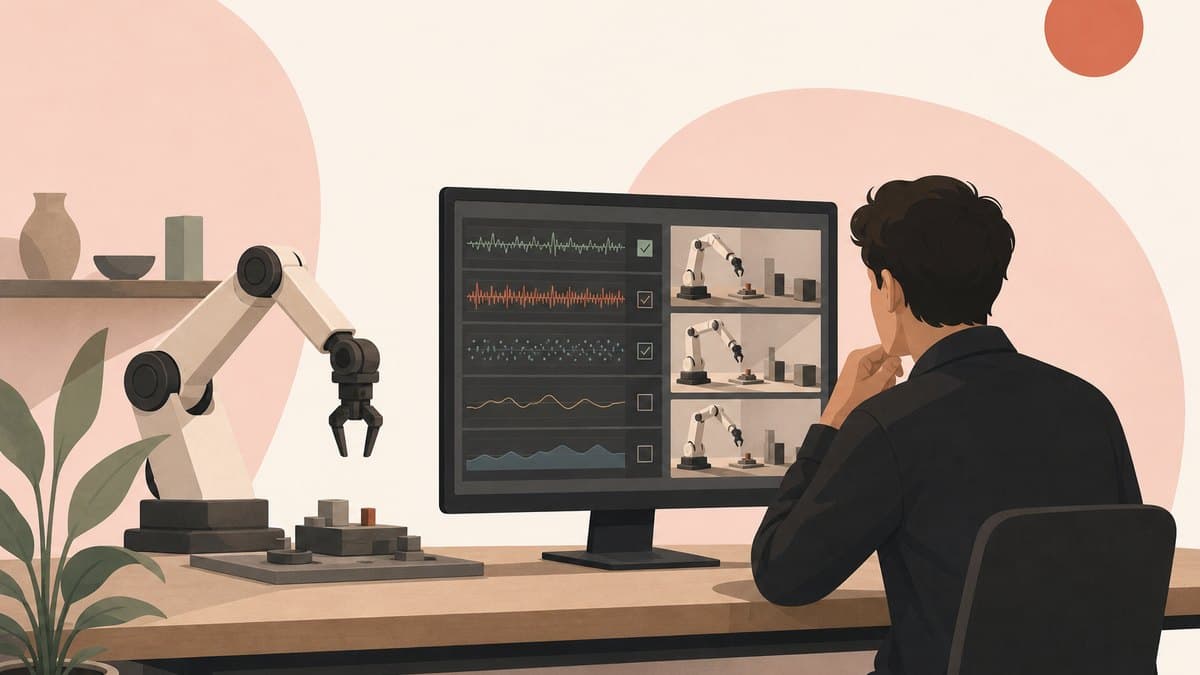
A founder at a workbench beside a robotic arm, reviewing captured sensor and video recordings and choosing which ones to keep

September 16, 2026 · 13 min read

Robotics Data: Build, Buy, or Collect It

Buy the tooling, own the corpus. Robotics data has four supply lines, and a robot company has to decide which of them it runs itself: teleoperation, staged collection environments, its own deployments, and simulation. One of the larger openly released manipulation datasets runs about 350 hours, so the open baseline will not carry a product and the rest has to be paid for one recorded action at a time. Here is what each supply line costs, why the quality bar is set by what a mistake costs, and the five clauses that decide whether you end up with a moat or a vendor bill.

Read more →
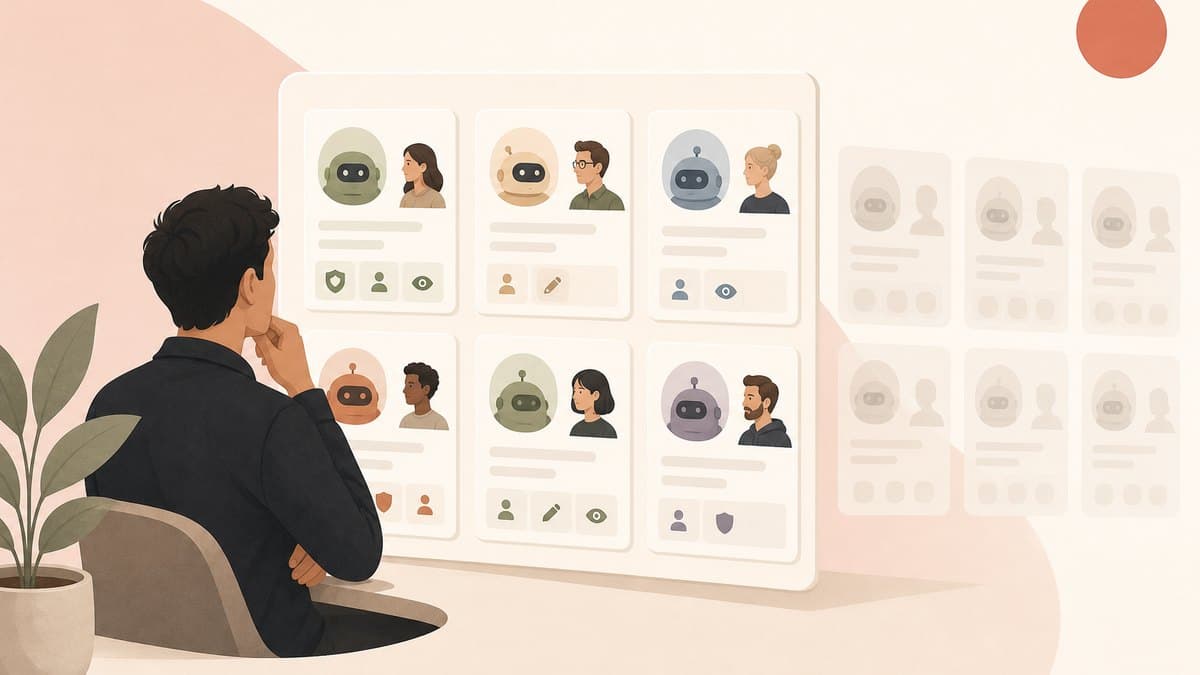
A founder reviewing a catalog of the AI agents running inside a company, each entry showing its owner and permissions

September 15, 2026 · 15 min read

AI Agent Registry: Catalog Before You Scale

Every software company has become an agent company, and almost none of them keep a list of the agents they run. Duplicates pile up, nothing has a named owner, and the good agent is the one nobody can find. An agent registry fixes that: one catalog of every agent, what it does, who owns it, what it is allowed to touch, and when it gets retired. The open protocols have already written most of the schema for you.

Read more →